
Introduction to School in Kerala Education
When people talk about education in India, one state almost always enters the conversation first—Kerala. Known for its strong literacy culture, student-friendly learning environment, and emphasis on quality education, Kerala has built a reputation that extends far beyond its borders. Parents across India often look at Kerala’s school system as a benchmark for academic excellence and holistic development. From bustling cities like Kochi and Thiruvananthapuram to remote villages nestled among lush greenery, schools in Kerala have consistently delivered impressive educational outcomes. Schools in kerala very standardable.
The state’s commitment to education is reflected in its infrastructure, teacher training programs, and widespread access to learning opportunities. Unlike many regions where educational quality varies significantly, Kerala has worked hard to ensure relatively uniform standards across districts. Students have access to government schools, aided institutions, private academies, and international schools that cater to diverse educational needs. This inclusive approach has helped create one of India’s most educated populations.
Why Kerala Is Famous for Education
Literacy Achievements
Kerala’s educational success story begins with its remarkable literacy achievements. According to recent educational and literacy data, Kerala continues to maintain one of the highest literacy rates in India, with estimates exceeding 95%, placing it among the country’s most educated states. Historical data shows that literacy increased from 47.18% in 1951 to 94% by 2011, reflecting decades of sustained educational investment and social reform.
What makes Kerala particularly impressive is the balanced growth across genders. Female literacy has risen dramatically over the decades, significantly reducing educational disparities between men and women. This achievement did not happen overnight. It resulted from long-term government initiatives, community participation, and a cultural emphasis on learning. Parents in Kerala generally consider education an essential investment rather than an optional privilege.
Historical Development of Education
Kerala’s educational foundation was built through a combination of social reform movements, missionary initiatives, and progressive governance. During the nineteenth and twentieth centuries, reformers advocated universal education and challenged social barriers that limited access to learning. Their efforts laid the groundwork for widespread educational opportunities that would later become a defining feature of the state.
Missionary institutions also played an important role in expanding educational access. Many schools established during this period emphasized literacy, critical thinking, and academic excellence. Over time, the government strengthened these foundations through policy reforms and investments in public education. The result was a system that encouraged enrollment, minimized dropout rates, and prioritized quality teaching.
Structure of the School System in Kerala
Pre-Primary Education
The educational journey in Kerala typically begins with pre-primary education. Kindergartens, nursery schools, and anganwadis provide young children with foundational learning experiences designed to prepare them for formal schooling. These institutions focus on language development, social skills, creativity, and early cognitive growth.
Parents increasingly recognize the value of early childhood education. As a result, demand for quality preschool programs has grown significantly. Many schools now integrate modern teaching methods that encourage exploration, collaboration, and hands-on learning. Children are introduced to concepts through storytelling, games, music, and interactive activities rather than rigid academic instruction.
This strong start often contributes to smoother transitions into primary education. Students enter formal schooling with greater confidence, stronger communication skills, and a positive attitude toward learning. Such preparation plays a crucial role in Kerala’s overall educational success. Schools in kerala education is power to children.
Primary School Education
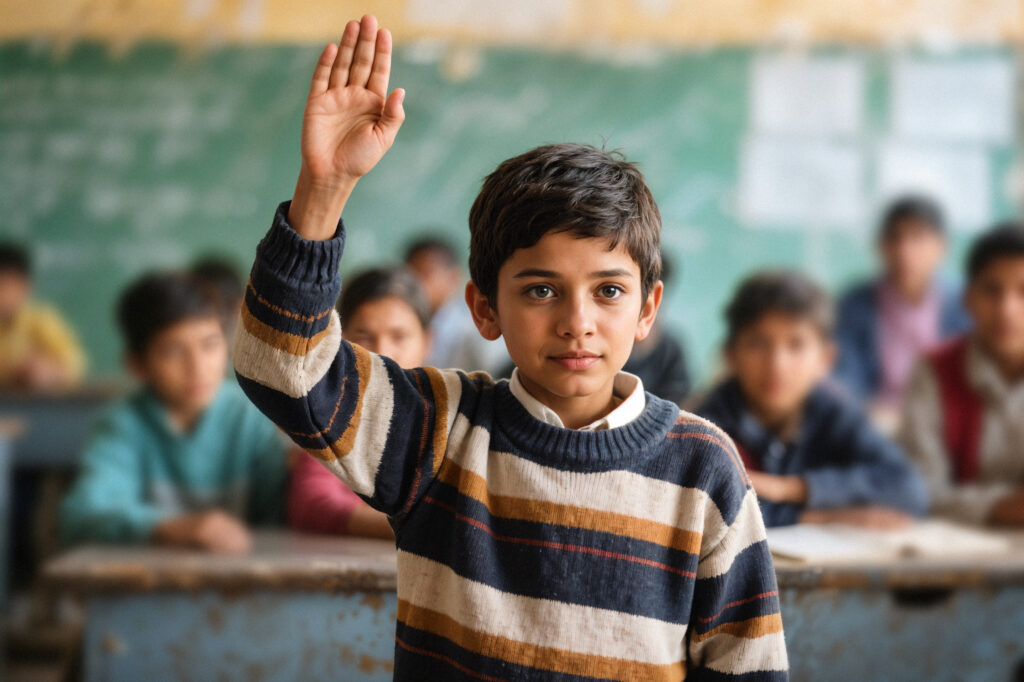
Primary education forms the backbone of Kerala’s school system. Students typically study subjects such as mathematics, science, languages, environmental studies, and social sciences. The curriculum aims to build strong foundational skills while nurturing curiosity and creativity.
Government initiatives have focused heavily on ensuring universal access to primary education. Schools are widely distributed across urban and rural areas, reducing barriers related to distance and transportation. Teachers receive training to adopt student-centered teaching approaches that encourage participation and understanding rather than rote memorization.
Kerala’s primary schools are often praised for their supportive learning environments. Students benefit from relatively low dropout rates and strong retention levels. Educational authorities continue to invest in infrastructure improvements, classroom technology, and inclusive learning practices to maintain high standards across the state.
Secondary School Education
Secondary education introduces students to more advanced academic concepts and prepares them for higher studies. Subjects become increasingly specialized, allowing learners to explore their interests while developing analytical and problem-solving skills.
At this stage, schools place greater emphasis on examinations, project work, and practical learning experiences. Students are encouraged to participate in extracurricular activities, including sports, arts, debates, and science exhibitions. These opportunities help foster well-rounded development and build essential life skills.
Kerala’s secondary schools consistently demonstrate strong academic performance. High enrollment rates and low dropout levels indicate a system that effectively supports student progression. Teachers play a critical role in guiding students through this academically demanding phase while maintaining a focus on personal growth.
Higher Secondary Education Schools in kerala
Higher secondary education serves as a bridge between school and higher education. Students typically choose specialized streams such as science, commerce, or humanities. This period is crucial because it influences future academic and career pathways.
The state’s centralized admission systems help ensure transparency and accessibility for students seeking higher secondary placements. Recent admission cycles continue to attract large numbers of applicants across government and aided schools, reflecting the ongoing demand for quality higher secondary education.
Academic rigor increases significantly during these years. Students prepare for board examinations while exploring subjects in greater depth. Many schools supplement classroom learning with career guidance programs, competitive exam preparation, and skill development initiatives to help students navigate future opportunities.
Types of Schools in Kerala
Table of Contents
International Schools in kerala
International schools cater to globally mobile families and students seeking international curricula. These institutions often offer programs aligned with global educational standards while emphasizing critical thinking, communication, and multicultural awareness.
Best Schools in Kerala
Top CBSE Schools in kerala
Several CBSE-affiliated schools in Kerala have earned national recognition for academic performance and student development. Institutions such as Chinmaya Vidyalaya, Bhavans Vidya Mandir, and Delhi Public School Kochi are frequently cited among the state’s leading educational institutions.
Leading ICSE Schools
ICSE schools are known for their comprehensive curriculum and strong focus on language proficiency. Many families choose these schools because of their balanced approach to academics, arts, and extracurricular development.
Renowned State Board Schools
Kerala’s state board schools continue to produce outstanding academic results. Many government and aided institutions consistently achieve exceptional examination performance while remaining accessible to students from diverse socioeconomic backgrounds.
| School Type | Curriculum | Key Strength |
|---|---|---|
| Government Schools | Kerala State Board | Affordability and accessibility |
| Aided Schools | State Board/CBSE | Strong academic traditions |
| Private Schools | CBSE/ICSE | Modern facilities |
| International Schools | IB/Cambridge | Global exposure |
Future of Education in Kerala
The future of schools in Kerala appears promising. Educational policymakers are increasingly focusing on skill development, digital literacy, artificial intelligence, vocational education, and experiential learning. These initiatives aim to prepare students for rapidly changing economic and technological landscapes.
Schools are expected to adopt more personalized learning approaches that recognize individual strengths and learning styles. Technology will likely play an even greater role in supporting differentiated instruction and expanding access to educational resources. Partnerships between schools, universities, industries, and communities may also create new opportunities for experiential learning and career preparation.
Kerala’s longstanding commitment to education provides a strong foundation for future innovation. By building upon its achievements while addressing emerging challenges, the state can continue serving as a model for educational excellence in India and beyond.
Conclusion
Schools in Kerala represent one of India’s most successful educational stories. The state’s combination of high literacy, strong public education systems, qualified teachers, and community support has created an environment where learning thrives. From pre-primary classrooms to higher secondary institutions, students benefit from a comprehensive educational framework designed to promote academic achievement and personal growth.
Kerala’s schools have consistently demonstrated that educational excellence requires more than infrastructure and curriculum. It depends on a collective commitment involving families, teachers, communities, and policymakers. While challenges remain, the state’s willingness to innovate and adapt positions it well for the future.
As education continues to evolve in the digital age, Kerala remains an inspiring example of how sustained investment, social commitment, and inclusive policies can transform learning outcomes and create lasting societal impact.